Ayurveda is one of the oldest holistic healing systems in the world, and Panchakarma is its most powerful therapeutic protocol. Rooted in ancient wisdom, Panchakarma helps cleanse the body deeply, remove accumulated toxins, balance your biological energies, and promote lasting health and well-being.
At Prakrithe Ayurveda, with over 38 years of experience in authentic Ayurvedic healing, Panchakarma is practiced under the guidance of skilled Ayurvedic physicians and therapists. This treatment is not just a detox — it is a life-transforming journey that restores harmony in both body and mind.
What Is Panchakarma?
The word Panchakarma comes from Sanskrit: pancha means five, and karma means action or procedure. This refers to five major therapeutic procedures that are designed to remove deep-seatedtoxins (called Ama in Ayurveda) which build up over time due to poor diet, stress, environmental pollution, and modern lifestyle habits. Unlike superficial cleansing programs, Panchakarma works on a deeper biological level, helping your body regain its natural balance and self-healing ability.
The Five Core Panchakarma Procedures
1. Vamana (Therapeutic Emesis)
Vamana is a controlled emetic therapy that expels excess Kapha toxins from the upper body and digestive tract. It is typically recommended for respiratory issues, congestion, and metabolic imbalances.
2) Virechana (Purgation Therapy)
Virechana helps detoxify the liver, gallbladder, and intestinal tract by eliminating excess Pitta toxins. This therapy can improve digestion and support skin health.
3) Basti (Medicated Enema)
Considered one of the most important Panchakarma therapies, Basti removes toxins and imbalances associated with Vata. It involves herbal decoctions or medicated oils administered through the colon.
4) Nasya (Nasal Administration)
In Nasya, medicated oils or herbal medicines are administered through the nasal passages to cleanse the head and neck region. This supports respiratory health and mental clarity.
5) Raktamokshana (Blood Purification)
This therapy gently purifies the blood when indicated, targeting blood-borne toxins and enhancing overall detoxification.
NB: (The number of days and times a therapy will have to be repeated is decided by an experiencedand competent Physician. Also everyone may not require all these five procedures. Its also determined by the physician after detailed evaluation.)
How Panchakarma Works
A complete Panchakarma program involves three phases:
Phase 1: Purvakarma (Preparatory)
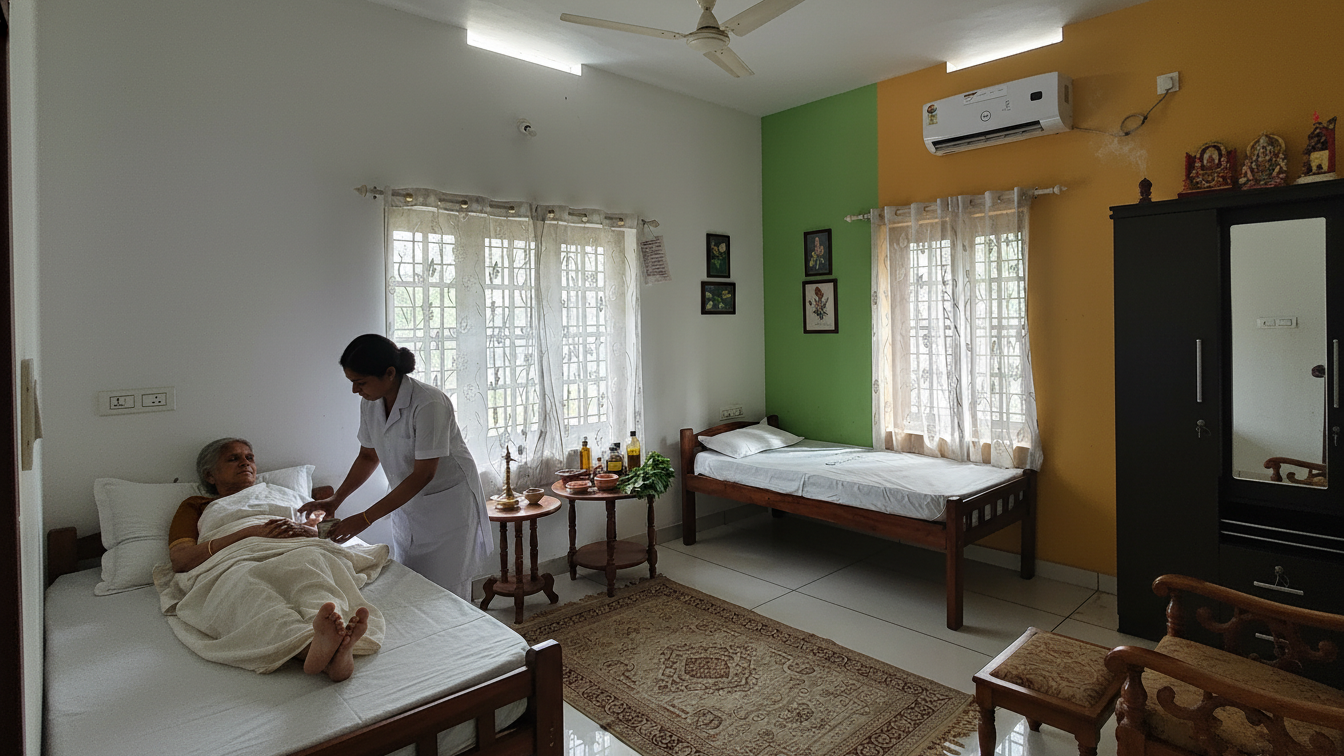
This phase prepares the body for deep cleansing. It includes internal and external oleation (Snehana) and controlled sweating (Swedana) to loosen toxins and move them into the digestive tract.
Phase 2: Pradhana Karma (Main Detoxification)
This is where the core Panchakarma therapies are administered. Based on your health needs, the Ayurvedic physician chooses the most suitable procedures.
Phase 3: Paschat Karma (Rejuvenation)
After detoxification, your body needs nourishment, rest, and supportive care to rebuild strength andmaintain balance. This phase includes rejuvenating therapies, personalized diet, and lifestyle guidance.
As infact anticipated effects in this treatment process and as a sign that toxins are being released youmay feel nausea, fever, fatigue, malaise, headaches, congestion, general sick feeling etc. These are actually not side effects
FAQ
The healthy ones can benefit panchakarma as rejuvenation and people looking for deep detoxification , having chronic illness and dosha imbalance
For panchakarma to be truly effective, it requires a minimum of seven days. Anything shorter does not allow sufficient time for the body to undergo the full detoxification and rejuvenation process. Most authentic Panchakarma programs range from 7 to 21 days, ensuring that each phase—preparation, cleansing, and rejuvenation—is properly completed
Yes, it is better to avoid panchakarma during the menstrual period (3-5 days) and after that we can reschedule the treatment wisely
Panchakarma is highly effective in stress and anxiety by detoxifying the body, calming the nervous system, and balancing the Vata dosha. Key therapies like Shirodhara (oil pouring), Abhyanga (massage), and Nasya (nasal drops) reduce cortisol, release emotional tension, and improve sleep quality.
Prices vary based on the type of therapy whether the package is for detoxification (preventive) or deep healing (curative).
No,Rakthamokshana is one of the five procedure in panchakarma which mainly focuses on blood purification
Yes, it is effective in helping people quit addictions, including sugar, nicotine (smoking), and other substances.It functions as an Ayurvedic detoxification process that removes deep-seated toxins (Ama) accumulated